


Search








 Français
 Arabic
 Spanish
 Portuguese
 Deutsch
 Turkish
 Dutch
Dutch
 Italiano
 Russian
Recent Updates
-
The terms Pramana viparyaya vikalpa nidra smrtayah describe the five mental modifications explained in the yogic texts. These represent the different ways the mind perceives and processes reality. Pramana refers to correct knowledge, while viparyaya means false understanding or illusion. Vikalpa is imagination without a real basis, nidra represents the mental state during deep sleep, and smrtayah signifies memory shaped by past experiences. Together, Pramana viparyaya vikalpa nidra smrtayah help us understand how the mind shifts from clarity to confusion. By observing these patterns through mindfulness and yoga practices, one can cultivate mental stability, awareness, and inner peace.
visit here - https://shorturl.at/vzjfhThe terms Pramana viparyaya vikalpa nidra smrtayah describe the five mental modifications explained in the yogic texts. These represent the different ways the mind perceives and processes reality. Pramana refers to correct knowledge, while viparyaya means false understanding or illusion. Vikalpa is imagination without a real basis, nidra represents the mental state during deep sleep, and smrtayah signifies memory shaped by past experiences. Together, Pramana viparyaya vikalpa nidra smrtayah help us understand how the mind shifts from clarity to confusion. By observing these patterns through mindfulness and yoga practices, one can cultivate mental stability, awareness, and inner peace. visit here - https://shorturl.at/vzjfh0 Comments 0 Shares 135 Views 0 Reviews -
A 300 hour yoga teacher training is a powerful step for those who wish to deepen their practice and teaching skills. It takes you beyond the basics and introduces advanced asana alignment techniques. Students learn detailed anatomy and physiology to understand the body more effectively. The program also strengthens knowledge of pranayama and meditation. Many trainees join to refine their teaching voice and personal style. The 300 hour yoga teacher training also explores yogic philosophy in greater depth. It helps learners build confidence in sequencing dynamic classes. Trainees get hands-on experience in workshops and practical sessions. This advanced course supports self-growth and inner awareness. Completing a 300 hour yoga teacher training opens doors to transformative teaching opportunities.
visit here https://shorturl.at/REq3YA 300 hour yoga teacher training is a powerful step for those who wish to deepen their practice and teaching skills. It takes you beyond the basics and introduces advanced asana alignment techniques. Students learn detailed anatomy and physiology to understand the body more effectively. The program also strengthens knowledge of pranayama and meditation. Many trainees join to refine their teaching voice and personal style. The 300 hour yoga teacher training also explores yogic philosophy in greater depth. It helps learners build confidence in sequencing dynamic classes. Trainees get hands-on experience in workshops and practical sessions. This advanced course supports self-growth and inner awareness. Completing a 300 hour yoga teacher training opens doors to transformative teaching opportunities. visit here https://shorturl.at/REq3Y0 Comments 0 Shares 103 Views 0 Reviews -
The ancient practice of yoga has a deeply rooted history that spans thousands of years, making it one of the most profound spiritual and physical disciplines known to humanity. When exploring who introduced yoga, one must look back to ancient India, where yoga originated as a spiritual path designed to unite the mind, body, and soul. It is believed that the sage Patanjali was the one who systematized yoga through his work, the Yoga Sutras, which is often regarded as the foundational text of classical yoga. However, long before Patanjali, traces of yogic practices can be found in the Indus Valley Civilization, where ancient seals and artifacts depict figures in meditative postures resembling yogic asanas.
visit:- https://www.yogkulam.org/blog/chronology-of-yogaThe ancient practice of yoga has a deeply rooted history that spans thousands of years, making it one of the most profound spiritual and physical disciplines known to humanity. When exploring who introduced yoga, one must look back to ancient India, where yoga originated as a spiritual path designed to unite the mind, body, and soul. It is believed that the sage Patanjali was the one who systematized yoga through his work, the Yoga Sutras, which is often regarded as the foundational text of classical yoga. However, long before Patanjali, traces of yogic practices can be found in the Indus Valley Civilization, where ancient seals and artifacts depict figures in meditative postures resembling yogic asanas. visit:- https://www.yogkulam.org/blog/chronology-of-yoga0 Comments 0 Shares 158 Views 0 Reviews -
The yellow aura meaning is deeply connected to joy, intelligence, and spiritual awakening. A person with a yellow aura often radiates warmth, optimism, and a strong sense of self-confidence. This color is associated with the solar plexus chakra, which governs personal power and self-esteem. Individuals with a yellow aura are typically creative thinkers, full of positive energy, and driven by curiosity and learning. It also represents clarity of thought and a cheerful disposition. When your aura glows yellow, it signifies that you are in harmony with yourself, embracing happiness, and open to sharing light and inspiration with others.
visit here - https://shorturl.at/SSdi7The yellow aura meaning is deeply connected to joy, intelligence, and spiritual awakening. A person with a yellow aura often radiates warmth, optimism, and a strong sense of self-confidence. This color is associated with the solar plexus chakra, which governs personal power and self-esteem. Individuals with a yellow aura are typically creative thinkers, full of positive energy, and driven by curiosity and learning. It also represents clarity of thought and a cheerful disposition. When your aura glows yellow, it signifies that you are in harmony with yourself, embracing happiness, and open to sharing light and inspiration with others. visit here - https://shorturl.at/SSdi70 Comments 0 Shares 152 Views 0 Reviews -
Yoga Sutra 1.20 describes the essential qualities required for a seeker to progress on the path of yoga and attain samadhi, the ultimate state of union and liberation. According to Patanjali, faith (shraddha), energy (virya), memory (smriti), deep concentration (samadhi), and true wisdom (prajna) are the five vital components that sustain and strengthen the aspirant’s spiritual journey. Faith provides the foundation of trust in the process, while energy gives the perseverance to overcome challenges. Memory helps one retain the insights gained through practice, and concentration allows the mind to remain steady amidst distractions. Ultimately, wisdom arises as the fruit of disciplined effort and unwavering devotion.
visit:- https://www.yogkulam.org/blog/yoga-sutra-1-20-sraddha-virya-smrti-samadhi-prajna-purvaka-itaresamYoga Sutra 1.20 describes the essential qualities required for a seeker to progress on the path of yoga and attain samadhi, the ultimate state of union and liberation. According to Patanjali, faith (shraddha), energy (virya), memory (smriti), deep concentration (samadhi), and true wisdom (prajna) are the five vital components that sustain and strengthen the aspirant’s spiritual journey. Faith provides the foundation of trust in the process, while energy gives the perseverance to overcome challenges. Memory helps one retain the insights gained through practice, and concentration allows the mind to remain steady amidst distractions. Ultimately, wisdom arises as the fruit of disciplined effort and unwavering devotion. visit:- https://www.yogkulam.org/blog/yoga-sutra-1-20-sraddha-virya-smrti-samadhi-prajna-purvaka-itaresam0 Comments 0 Shares 138 Views 0 Reviews -
In the Yoga Sutras of Patanjali, the mind is described as experiencing five types of mental modifications or vrittis: Pramana, Viparyaya, Vikalpa, Nidra, Smrtayah. Understanding these helps in attaining clarity and control over the mind.Pramana refers to correct knowledge gained through perception, inference, and reliable testimony. Viparyaya is incorrect knowledge or illusion, where one perceives reality wrongly. Vikalpa denotes imagination or fantasy, where the mind forms ideas without a real object. Nidra represents the mental state of deep sleep, where there is an absence of mental content but still a form of vritti. Lastly, Smrtayah stands for memory, where past experiences are recalled.
visit here - https://www.yogkulam.org/blog/yoga-sutra-1-6-pramana-viparyaya-vikalpa-nidra-smrtayahIn the Yoga Sutras of Patanjali, the mind is described as experiencing five types of mental modifications or vrittis: Pramana, Viparyaya, Vikalpa, Nidra, Smrtayah. Understanding these helps in attaining clarity and control over the mind.Pramana refers to correct knowledge gained through perception, inference, and reliable testimony. Viparyaya is incorrect knowledge or illusion, where one perceives reality wrongly. Vikalpa denotes imagination or fantasy, where the mind forms ideas without a real object. Nidra represents the mental state of deep sleep, where there is an absence of mental content but still a form of vritti. Lastly, Smrtayah stands for memory, where past experiences are recalled. visit here - https://www.yogkulam.org/blog/yoga-sutra-1-6-pramana-viparyaya-vikalpa-nidra-smrtayah0 Comments 0 Shares 230 Views 0 Reviews -
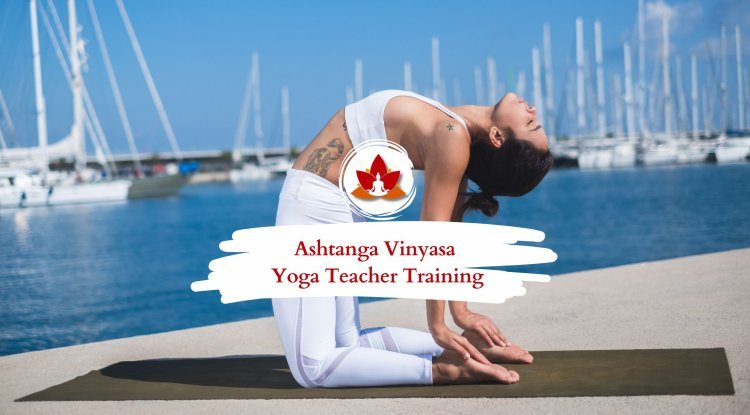
Ashtanga yoga training offers a comprehensive and disciplined approach to mastering the physical, mental, and spiritual aspects of yoga. Individuals who enroll in an ashtanga yoga training program are exposed to a structured sequence of postures that build strength, flexibility, and endurance while encouraging breath control and mindfulness. The practice emphasizes linking movement with breath, helping students cultivate a deeper sense of body awareness and presence. Through consistent practice, participants learn how to refine their alignment, hold poses with stability, and transition smoothly between postures, which greatly enhances overall fitness and mental focus.
Moreover, ashtanga yoga training introduces practitioners to the philosophy and principles behind this ancient tradition, promoting a lifestyle rooted in discipline, compassion, and self-awareness. Many training centers also provide a supportive community environment, where students can share experiences, encourage one another, and grow together.
Teachers guide students through both beginner and advanced levels, ensuring that each participant progresses at a safe and effective pace. Whether someone is seeking to deepen their personal practice or become a certified instructor, ashtanga yoga training equips them with the tools, techniques, and confidence needed to embrace yoga as a lifelong journey. The holistic benefits extend beyond the mat, influencing daily life with improved resilience, inner peace, and balance. This is why ashtanga yoga training remains one of the most respected and sought-after programs for those committed to achieving harmony between body, mind, and spirit.
visit:- https://www.yogkulam.org/blog/ashtanga-vinyasa-yoga-teacher-trainingAshtanga yoga training offers a comprehensive and disciplined approach to mastering the physical, mental, and spiritual aspects of yoga. Individuals who enroll in an ashtanga yoga training program are exposed to a structured sequence of postures that build strength, flexibility, and endurance while encouraging breath control and mindfulness. The practice emphasizes linking movement with breath, helping students cultivate a deeper sense of body awareness and presence. Through consistent practice, participants learn how to refine their alignment, hold poses with stability, and transition smoothly between postures, which greatly enhances overall fitness and mental focus. Moreover, ashtanga yoga training introduces practitioners to the philosophy and principles behind this ancient tradition, promoting a lifestyle rooted in discipline, compassion, and self-awareness. Many training centers also provide a supportive community environment, where students can share experiences, encourage one another, and grow together. Teachers guide students through both beginner and advanced levels, ensuring that each participant progresses at a safe and effective pace. Whether someone is seeking to deepen their personal practice or become a certified instructor, ashtanga yoga training equips them with the tools, techniques, and confidence needed to embrace yoga as a lifelong journey. The holistic benefits extend beyond the mat, influencing daily life with improved resilience, inner peace, and balance. This is why ashtanga yoga training remains one of the most respected and sought-after programs for those committed to achieving harmony between body, mind, and spirit. visit:- https://www.yogkulam.org/blog/ashtanga-vinyasa-yoga-teacher-training0 Comments 0 Shares 333 Views 0 Reviews -
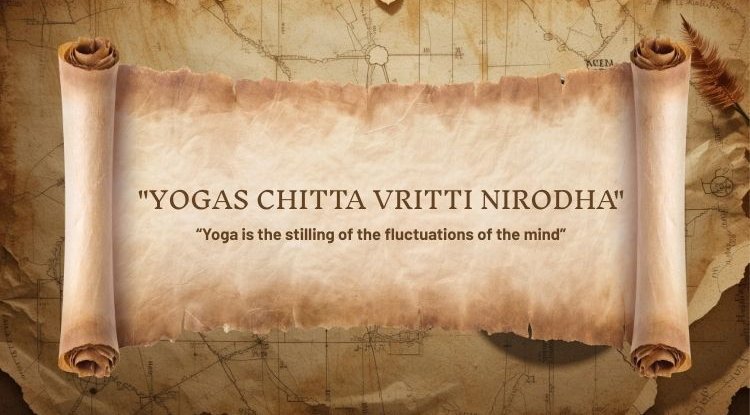
In the philosophy of yoga, chitta vritti refers to the fluctuations or modifications of the mind. Derived from Sanskrit, "chitta" means mind-stuff or consciousness, and "vritti" means waves or movements. According to Patanjali's Yoga Sutras, the path to inner peace and self-realization begins with calming these chitta vrittis. When the mind is still and free from distractions, we can connect with our true nature. Practices like meditation, breath control, and mindfulness are tools to quiet these mental fluctuations and achieve clarity, balance, and spiritual insight.
visit here - https://www.yogkulam.org/blog/yoga-sutra-1-2-yogas-chitta-vritti-nirodhaIn the philosophy of yoga, chitta vritti refers to the fluctuations or modifications of the mind. Derived from Sanskrit, "chitta" means mind-stuff or consciousness, and "vritti" means waves or movements. According to Patanjali's Yoga Sutras, the path to inner peace and self-realization begins with calming these chitta vrittis. When the mind is still and free from distractions, we can connect with our true nature. Practices like meditation, breath control, and mindfulness are tools to quiet these mental fluctuations and achieve clarity, balance, and spiritual insight. visit here - https://www.yogkulam.org/blog/yoga-sutra-1-2-yogas-chitta-vritti-nirodha0 Comments 0 Shares 342 Views 0 Reviews -
What Does RYT Mean
So, what does RYT mean? This question has a meaningful answer in the world of yoga. RYT is short for Registered Yoga Teacher, a credential that’s awarded by Yoga Alliance to teachers who have completed a certified training program. If you’re asking, “What does RYT mean?”, think of it as a promise—your teacher has been trained to guide you safely and mindfully, respecting yoga’s rich traditions. It’s a sign that they’re not only skilled in the physical practice of yoga but also in its deeper spiritual and philosophical roots. Knowing “what does RYT mean” helps you find a teacher who can truly support your journey.
https://www.yogkulam.org/blog/ryt-vs-e-rytWhat Does RYT Mean So, what does RYT mean? This question has a meaningful answer in the world of yoga. RYT is short for Registered Yoga Teacher, a credential that’s awarded by Yoga Alliance to teachers who have completed a certified training program. If you’re asking, “What does RYT mean?”, think of it as a promise—your teacher has been trained to guide you safely and mindfully, respecting yoga’s rich traditions. It’s a sign that they’re not only skilled in the physical practice of yoga but also in its deeper spiritual and philosophical roots. Knowing “what does RYT mean” helps you find a teacher who can truly support your journey. https://www.yogkulam.org/blog/ryt-vs-e-ryt0 Comments 0 Shares 280 Views 0 Reviews -
Many people interested in wellness often ask how to become a yoga instructor, and the journey starts with dedication and self-awareness. Before teaching others, it’s crucial to explore your own yoga journey and identify what motivates you. Completing a certified teacher training program is a key step, usually beginning with 200 hours of training. Along with the practical aspects, students learn about history, philosophy, and teaching techniques. Understanding how to become a yoga instructor also includes practicing regularly and observing other experienced teachers. Getting certified and then gaining real-world teaching experience will build confidence. With time and commitment, anyone can find their unique voice as a yoga teacher.
https://www.yogkulam.org/blog/how-to-become-a-certified-yoga-teacher-a-complete-guideMany people interested in wellness often ask how to become a yoga instructor, and the journey starts with dedication and self-awareness. Before teaching others, it’s crucial to explore your own yoga journey and identify what motivates you. Completing a certified teacher training program is a key step, usually beginning with 200 hours of training. Along with the practical aspects, students learn about history, philosophy, and teaching techniques. Understanding how to become a yoga instructor also includes practicing regularly and observing other experienced teachers. Getting certified and then gaining real-world teaching experience will build confidence. With time and commitment, anyone can find their unique voice as a yoga teacher. https://www.yogkulam.org/blog/how-to-become-a-certified-yoga-teacher-a-complete-guide0 Comments 0 Shares 308 Views 0 Reviews







More Stories